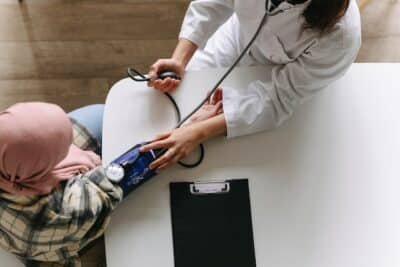



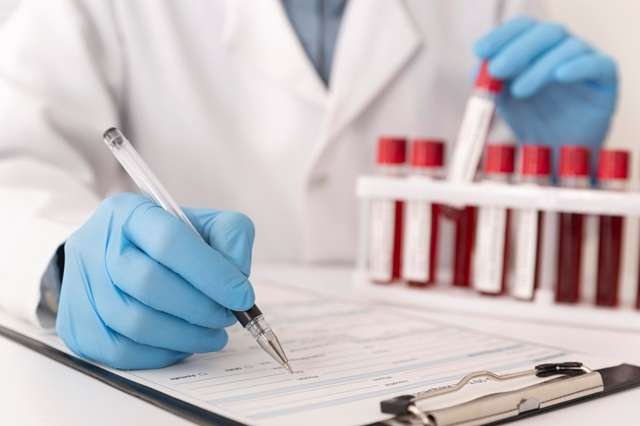

On a routine morning, breakfast is finished, fetal movements are felt, and a blood sugar test appointment is noted. For many expectant mothers in India, that test is a PPS test. It is a simple idea: see how your body handles the meal you have just eaten.
During pregnancy, hormones reshape the way glucose is used, so a reading taken after food tells a convenient story of how the plate on your table translates into the number on your report. For planning, many families also look to book the PPBS test online.
This article explains why after-meal checks matter in gestational diabetes, how the reading is interpreted with your clinician, and what to keep in mind when you plan your tests with a trusted laboratory such as Lupin Diagnostics.
What the PPBS Test Really Shows
A PPBS test measures the body’s response after a meal, with fasting samples being baseline, and after meals showing the response we all have to food and eating on an average day. This test is especially applicable in pregnancy because the response to a meal can be very different from fasting.
Think about it this way: it is a picture at the point in time when your body is still digesting the food you just ate. The result is intended to see if the glucose you consumed peaks and falls into an expected range, or stays higher than your individual target.
How it Differs from Fasting and Random Checks
A few pointers:
- Fasting blood glucose reflects the overnight state with no recent food.
- Random blood sugar is a flexible spot check during the day.
- PPBS focuses on the post-meal period and therefore mirrors real life.
None of these tests replaces the others. Your doctor may suggest a blend of fasting, random, and post-meal checks to form a complete picture across the day. Many patients also prefer the convenience of booking an RBS test online when scheduling day-to-day checks.
Why After-Meal Checks Matter in Pregnancy
Gestational diabetes is shaped by placental hormones and shifting insulin sensitivity. Many women find that their fasting value appears calm, yet the reading after certain meals rises more than expected. That pattern would be missed without a post-meal sample.
Regular PPBS test readings:
- Reveal which meals are gentler on your glucose profile.
- Help track consistency when routine changes, such as festivals, travel, and family events.
- Provide timely feedback so your clinician can advise on monitoring frequency and timing.
Getting a Meaningful Result: Simple Preparation
You need not overhaul your diet for the test. The goal is to understand your usual response.
- Eat a regular meal that suits your culture and preferences, like healthy green food.
- Finish the meal, check the time, and plan the sample at the interval advised by your clinician.
- Avoid extra snacks or sweetened drinks between finishing the meal and giving the sample.
- Note down what you ate and when you finished.
- Share any recent changes, such as sleep, stress, illness, and new prenatal routines, when you submit the sample or during follow-up.
These small habits allow your clinician to make sense of the result in context rather than in isolation.
Reading Your PPBS Report With Your Clinician
A single reading does not tell the whole story. Your doctor will usually consider:
- Timing: Was the sample taken at the recommended interval after eating?
- Meal make-up: Refined starches and sugary drinks tend to raise glucose faster than meals rich in fibre and protein.
- Daily rhythm: Many people notice more substantial rises after certain meals, often later in the day.
- Trend: Are repeated readings moving towards your personal target or drifting away from it?
If the result is above your agreed range, your doctor may suggest repeating the sample, adjusting the monitoring plan, or reviewing meal balance. If it sits within range, it indicates that your current approach worked well for that setting. Either way, the lab report is the starting point for a conversation, not the conclusion.
Common Questions From Expectant Mothers
Do I Still Need Fasting or Random Tests?
Most antenatal plans use a mix. A blood sugar fasting test gives the baseline, while a random sample helps when schedules are tight. The PPBS test adds the meal-specific view. Together, they create a more reliable picture than any single result. Many families also find it helpful to book blood sugar fasting test slots in advance to stay consistent.
Can I track Patterns on My Own?
Yes, keep a short log with the meal, the time you finished, and the test time. Add notes on activity and sleep. This simple practice helps your clinician interpret your PBBs test report with precision.
What are the Practical Considerations for Glucose Testing?
Many people search online to arrange a fasting, random, or post-meal glucose test. Cost is only one part of the decision: accuracy, careful sample handling, transparent reporting, and easy access all matter especially during pregnancy. If you have questions about timing or preparation for a PPBS test, speak with your clinician before you schedule. When comparing options, some users also check the blood sugar fasting test price to plan their visits.
Choosing a Reliable Laboratory
A good laboratory makes antenatal monitoring smoother. Look for:
- Clear instructions on preparation and timing.
- Trained phlebotomists and ensured careful sample handling.
- Reports that present findings in a format your doctor prefers.
- Easy access to prior results so trends are simple to review.
Many families across India recognise Lupin Diagnostics for its emphasis on quality processes and straightforward reporting. For transparency, people sometimes review RBS test price information before confirming an appointment.
How Lupin Diagnostics Fits Into Your Care Pathway
In the instance of a pregnancy, your laboratory will produce accurate measurements and a clear report. Lupin Diagnostics has glucose checks, including fasting, random and PPBS test samples with information about how to prepare and timing. The laboratory does provide the information the clinician needs to interpret your health status during pregnancy. You may also wish to check the PPBS test price while planning your schedule.
Gentle Reminders for the Post-Meal Sample
Reminders:
- Keep meals realistic. The point is to understand everyday life, not a one-off menu.
- Bring previous reports to your appointment or keep digital copies ready.
- Inform the team about any medicines or supplements your obstetrician has approved, as timing can impact readings.
Final Thoughts
Diabetes needs timely, relevant data. The PPBS test measures how your body handles a regular meal; when paired with a fasting blood sugar test and occasional random blood sugar (RBS) checks, it helps your clinician tailor your monitoring. Choose a trusted lab such as Lupin Diagnostics, follow the preparation notes, and keep a brief log to bring meaningful data to every antenatal visit.
Disclaimer: This article is for general information. Laboratories, including Lupin Diagnostics, provide test measurements and reference ranges. They do not confirm diagnoses or offer treatment advice. Always review your results with your doctor.