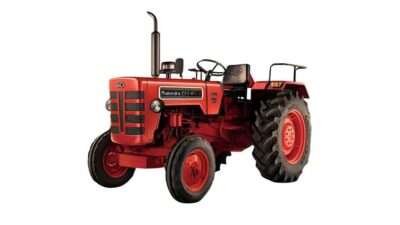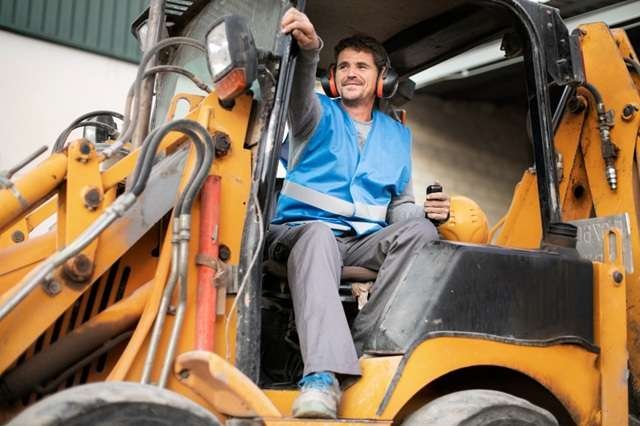

Most people who don’t work in agriculture have no idea what it’s actually demanding to spend an entire day operating a tractor. There’s this perception that sitting down for work must be easier than standing or doing manual labor, but anyone who’s put in a full season knows that’s not how it works at all. The reality is that long hours in the seat create their own set of challenges that can seriously affect how someone feels at the end of the day and even years down the road.
The thing about farm work is that it doesn’t follow the same schedule as most jobs. When conditions are right for planting or harvesting, operators might be out there for 10, 12, or even 14 hours at a stretch. Taking frequent breaks isn’t always practical when weather windows are short, and there’s a lot of ground to cover. This puts unique demands on equipment and the people using it.
Why Standard Seating Falls Short
Here’s what catches a lot of operators off guard: the seats that come standard on many tractors weren’t really designed with all-day comfort as the top priority. They’re built to meet basic requirements and keep costs reasonable for manufacturers, but they often don’t account for the reality of extended use over rough terrain.
The vibration alone creates more stress on the body than most people realize. Every bump, rut, and uneven patch of ground sends shock waves up through the equipment and into the operator. Over the course of a long day, that constant jostling adds up.
The lower back takes most of the impact, but shoulders, neck, and even legs feel the effects of trying to maintain position and control. Modern farms are increasingly looking at upgrades that actually make a difference in operator well-being.
Something as straightforward as switching to a quality universal tractor seat with proper suspension can change the entire experience of a long workday. The right setup absorbs vibration before it reaches the operator and provides support where it’s actually needed.
Weight distribution becomes critical during extended operation. When someone sits in the same position for hours, pressure points develop. Blood flow gets restricted, muscles tense up trying to compensate, and what starts as mild discomfort can progress into genuine pain. Quality seating addresses this by distributing weight more evenly and allowing for small adjustments throughout the day.
The Connection Between Comfort and Performance
There’s a direct relationship between how an operator feels and how well they can do their job. When someone is constantly shifting around trying to find a comfortable position, they’re not giving full attention to the task at hand. Fatigue sets in faster, concentration wavers, and the quality of work can suffer.
This isn’t just about feeling better at the end of the day, though that certainly matters. Tired operators make more mistakes. They might miss spots during application, create uneven rows during planting, or make poor decisions about equipment operation. The cost of these errors often exceeds what it would have taken to address the comfort issue in the first place.
Safety becomes a factor, too. When someone is physically exhausted and uncomfortable, reaction times slow down. Equipment operates in demanding conditions with real hazards, and staying alert matters. Operators who aren’t fighting constant discomfort are better positioned to respond appropriately when something unexpected happens.
What Actually Makes a Difference
The features that separate adequate seating from genuinely good seating aren’t always obvious at first glance. Suspension systems vary widely in quality and effectiveness. Some provide minimal cushioning that bottoms out quickly under real working conditions, while others maintain consistent support regardless of terrain or operator weight.
Adjustability is another area where differences become apparent over time. Being able to modify seat height, backrest angle, and armrest position allows each operator to find their optimal setup. What works for one person might not work for another, and even the same operator might need different settings depending on the specific task.
The materials used in construction matter more than they might seem. Cheap foam compresses permanently after repeated use, creating hard spots and reducing support exactly where it’s needed most. Durable materials maintain their properties season after season, providing consistent performance year after year.
Long-Term Considerations
The effects of poor seating don’t always show up immediately. Many operators push through discomfort during their younger years without thinking too much about it, but the cumulative impact becomes apparent later. Back problems, hip issues, and chronic pain can develop gradually from years of inadequate support and excessive vibration exposure.
Taking a preventive approach makes more sense than dealing with problems after they’ve developed. The agricultural community is becoming more aware of these issues and more willing to invest in solutions that protect operator health over the long term. Equipment that performs well today while also supporting physical well-being years from now represents smart value.
Farm operations depend on capable, healthy operators. When team members can work comfortably throughout long days, they’re more productive, make better decisions, and stick around longer. The investment in proper seating pays dividends through improved performance and reduced turnover.
Making Smart Upgrades
Evaluating current equipment honestly is the first step. Does the seat still provide adequate support, or has it compressed and worn down? Are there adjustments that could improve the setup, or is replacement the better option? Sometimes small changes make a big difference, while other situations call for a complete upgrade.
Budget considerations are a reality for any farm operation, but examining the total picture helps put costs into perspective. What seems expensive initially becomes more reasonable when factored against years of use, improved productivity, and better operator health.
Quality equipment doesn’t just cost less over time due to its durability—it contributes to better outcomes across the board. The operators who spend their days running equipment deserve setups that support them properly.
Farming is demanding enough without adding unnecessary physical stress from inadequate seating. When comfort and performance work together, everyone benefits from better results and a more sustainable approach to the work that needs to get done.