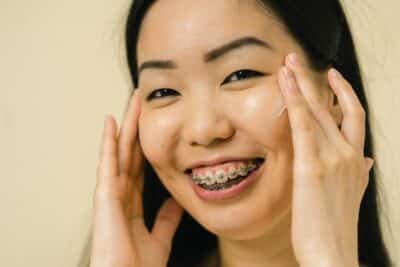





Self-care is often misunderstood as a luxury or an occasional indulgence, but in reality, it is a daily practice that supports overall health and balance. A healthier lifestyle is not built on extreme routines or short-term changes. It grows from consistent attention to physical comfort, emotional stability, and mental clarity.
When self-care becomes a priority, people are better equipped to handle stress, maintain energy, and make thoughtful decisions that support long-term well-being. It creates a strong foundation that allows other healthy habits to develop naturally.
At its core, self-care is about listening to personal needs and responding with intention. This might involve rest when the body feels tired, setting boundaries when life feels overwhelming, or seeking guidance when personal goals feel unclear. Over time, these small but meaningful actions shape a lifestyle that feels sustainable rather than exhausting.
Personalized Procedures as a Form of Self-Care
While many self-care practices can be done independently, there are moments when professional support becomes an important part of a healthier lifestyle. Seeking expert guidance is a thoughtful step toward informed decision-making and personal confidence. In some cases, self-care includes exploring personalized options that align physical appearance with inner well-being. This is where speaking with qualified specialists can offer clarity, reassurance, and a deeper understanding of individual needs.
For individuals considering aesthetic changes as part of their self-care journey, it is important to have open and honest conversations with experienced professionals. Procedures such as breast augmentation, face lift, labiaplasty, and many others are deeply personal decisions that require careful thought and realistic expectations. When approached with the right mindset, these choices can support self-confidence and personal comfort.
Get in touch with a professional at Park Rebowe Clinic for Plastic Surgery to schedule a consultation and discuss your aesthetic goals.
Physical Self-Care as a Daily Practice
Physical self-care is often the most visible aspect of a healthier lifestyle. It includes activities that support the body, such as regular movement, nourishing meals, adequate rest, and routine checkups. These practices help maintain energy levels and support the body’s natural ability to function well. Physical self-care is not about perfection or rigid rules. It is about consistency and kindness toward the body.
Listening to physical signals is a key part of this process. Fatigue, tension, or discomfort are often signs that the body needs attention. Responding early can prevent larger issues and promote a sense of control over personal health. When physical self-care becomes routine, it supports better sleep, improved mood, and a stronger connection to daily life.
Emotional Balance and Mental Clarity
A healthier lifestyle cannot exist without emotional and mental well-being. Self-care in this area involves acknowledging feelings without judgment and creating space for emotional expression. This might include journaling, mindful breathing, or simply allowing time to pause and reflect. Emotional self-care helps reduce inner tension and supports clearer thinking.
Mental clarity grows when the mind is given rest and structure. Limiting constant distractions, practicing focus, and engaging in activities that bring calm can improve concentration and decision-making. Over time, these habits help reduce feelings of overwhelm and support a more balanced perspective.
The Importance of Boundaries and Personal Time
One of the most powerful forms of self-care is learning to set healthy boundaries. This includes protecting personal time, saying no when necessary, and recognizing limits without guilt. A healthier lifestyle requires space for rest and reflection. Without boundaries, even positive responsibilities can become overwhelming.
Personal time allows individuals to reconnect with themselves outside of external demands. Whether spent in quiet reflection or engaging in hobbies, this time supports creativity and emotional renewal. Boundaries also improve relationships by encouraging honest communication and mutual respect.
Self-Care as a Tool for Long-Term Consistency
A common challenge in pursuing a healthier lifestyle is maintaining consistency. Self-care helps bridge this gap by making health supportive rather than restrictive. When habits are rooted in care rather than pressure, they are easier to sustain. This applies to all areas of life, including nutrition, movement, and emotional health.
Consistency does not require doing everything perfectly. It requires showing up regularly with patience and flexibility. Self-care encourages self-forgiveness during setbacks and celebrates progress without comparison.
Building Confidence Through Self-Awareness
Self-care fosters a deeper understanding of personal needs, values, and goals. This awareness builds confidence and supports healthier choices. When individuals understand what truly supports their well-being, they are less likely to follow trends or external expectations that do not align with their needs.
Confidence grows when actions reflect inner priorities. This might mean adjusting routines, seeking support, or making thoughtful changes that enhance comfort and satisfaction. Over time, self-care strengthens trust in personal judgment and encourages a more grounded approach to life.
Ultimately, self-care is the cornerstone of a healthier lifestyle because it places well-being at the center of daily living. It encourages thoughtful choices, supports resilience, and fosters a deeper connection between mind and body.