



Keeping your dog healthy comes down to consistent habits that support their body, mind, and overall well‑being. These simple tips help you build a routine that keeps your dog feeling great year‑round.
Feed a Nutritious, Balanced Diet
A healthy diet fuels your dog’s energy, supports their immune system, and keeps their coat shiny. Choose food made with real, high‑quality ingredients and avoid fillers or artificial additives. Adjust portions based on age, weight, and activity level to prevent obesity.
Provide Fresh Water at All Times
Hydration is essential for digestion, temperature regulation, and organ health. Make sure your dog always has access to clean, fresh water, especially after exercise or warm weather.
Make Daily Exercise a Priority
Regular physical activity helps maintain a healthy weight, strengthens muscles, and reduces anxiety. Walks, play sessions, and enrichment activities like puzzle toys keep your dog mentally and physically stimulated.
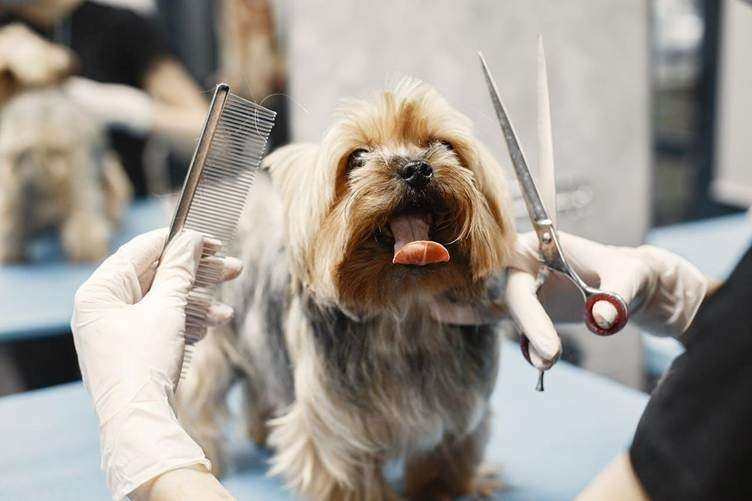
Keep Up With Regular Grooming
Routine grooming prevents matting, reduces shedding, and keeps skin healthy. Professional dog grooming in Pittsburgh, PA, can help maintain coat condition, trim nails safely, and catch early signs of skin issues or infections. Groomers also provide specialized care that’s hard to replicate at home.
Brush Their Teeth Several Times a Week
Dental care is vital for preventing gum disease and infections. Use dog‑safe toothpaste and introduce brushing slowly. Dental chews and toys can help reduce plaque between brushings.
Schedule Routine Vet Visits
Regular checkups allow veterinarians to catch health issues early. Vaccinations, bloodwork, and physical exams help ensure your dog stays protected and healthy. Early detection often leads to easier, more effective treatment.
Stay Consistent With Parasite Prevention
Fleas, ticks, and heartworms can cause serious health problems. Use vet‑recommended preventatives year‑round to keep your dog protected. Even indoor dogs are at risk, as pests can enter the home easily.
Support Their Mental and Emotional Health
Mental stimulation is just as important as physical exercise. Rotate toys, teach new tricks, and offer enrichment activities like snuffle mats or treat puzzles. A mentally engaged dog is happier, calmer, and less likely to develop behavioral issues.
Conclusion
Keeping your dog healthy is an ongoing commitment, and the small choices you make each day add up to a lifetime of well‑being. When you focus on balanced nutrition, regular exercise, consistent grooming habits, and preventive care, you’re not just reacting to problems — you’re actively protecting your dog from discomfort, illness, and stress.
Mental stimulation, routine vet visits, and attention to dental and skin health all work together to support a happier, more energetic companion. These habits also strengthen the bond you share, because a dog who feels good is more confident, more playful, and more connected to their family. By building these simple practices into your routine, you create a healthier environment where your dog can thrive at every stage of life.


