



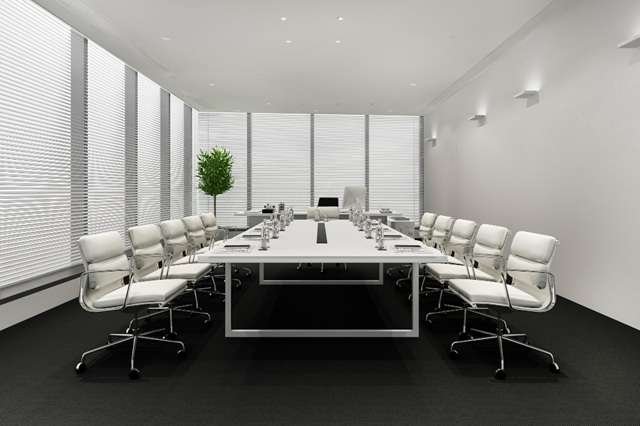

Meeting rooms play an important role in the modern workplace. They are used for team discussions, client presentations, interviews, brainstorming sessions, hybrid calls, and important business decisions. Because of this, a meeting room should be more than just a table, a few chairs, and a screen.
A comfortable meeting room can help people communicate better, stay focused, and feel more engaged during discussions. As companies continue to rethink their offices, meeting room design has become an important part of creating a better workplace experience.
Why Meeting Room Comfort Matters
Meetings are part of everyday office life. When a meeting room is poorly designed, it can affect the quality of the conversation.
Uncomfortable seating, poor lighting, bad acoustics, or limited space can make people feel distracted and tired. In longer meetings, these issues become even more noticeable.
A well-designed meeting room helps create a more productive environment. It allows people to sit comfortably, see and hear clearly, use technology easily, and stay focused on the discussion.
Start with the Right Seating
Seating is one of the most important parts of a meeting room. Even if the room looks impressive, uncomfortable chairs can make meetings feel longer and less productive.
A good meeting room chair should provide support, comfort, and flexibility. It should allow people to sit naturally, move slightly, and stay comfortable during longer discussions.
JEB Group is one brand doing well in this area by offering workplace furniture solutions that combine design, comfort, and functionality. Through products such as the HÅG SoFi 7500, JEB Group supports companies that want to create meeting rooms that feel professional while also improving user comfort.
Choose Furniture That Supports Different Meeting Styles
Not all meetings are the same. Some are formal client presentations, while others are quick team check-ins or creative brainstorming sessions.
The furniture should match how the room will be used. A formal boardroom may need a larger conference table and executive-style seating. A project room may need movable chairs and flexible tables. A hybrid meeting room may need furniture that works well with cameras, screens, and microphones.
Brands such as Herman Miller, Steelcase, Humanscale, and HÅG have helped shape the way companies think about ergonomic workplace seating. Their focus on posture, movement, and long-term comfort has influenced how modern offices choose meeting room furniture.
Plan the Layout Carefully
A comfortable meeting room needs enough space for people to move, sit, and interact. The table should not be too large for the room, and chairs should not feel crowded.
People should be able to enter and leave the room easily. They should also have a clear view of screens, speakers, and other participants.
For hybrid meetings, the layout should support both people in the room and those joining remotely. Camera placement, screen visibility, and seating direction all matter.
Make Technology Easy to Use
Modern meeting rooms need to support video calls, presentations, and digital collaboration. However, technology should make meetings easier, not more complicated.
Screens, microphones, speakers, cameras, power outlets, and cable management should be planned from the beginning. Employees should be able to start a meeting quickly without spending too much time setting up devices.
A comfortable room is not only about physical comfort. It is also about reducing friction and making the meeting experience smoother.
Pay Attention to Lighting
Lighting can affect the mood and focus of a meeting. A room that is too dark can feel tiring, while harsh lighting can feel uncomfortable.
Natural light is ideal where possible, but it should be balanced with blinds or shades to reduce glare. For rooms used for presentations or video calls, adjustable lighting can help create the right setting.
Good lighting helps people feel more alert and makes the room more welcoming.
Improve Acoustics for Better Communication
Clear communication is essential in any meeting room. If the room has too much echo or outside noise, people may struggle to hear each other.
Acoustic planning can make a big difference. Soft finishes, carpets, acoustic panels, ceiling treatments, and well-designed partitions can all help reduce noise and improve sound quality.
This is especially important for hybrid meetings, where poor audio can affect both in-person and remote participants.
Balance Style and Function
A meeting room should reflect the company’s brand and professionalism. It is often one of the first spaces clients or partners experience when visiting an office.
However, style should not come at the expense of comfort. The best meeting rooms combine visual appeal with practical features. Furniture should look refined, but it should also support real use.
Brands such as JEB Group, Vitra, Andreu World, Walter Knoll, and Muuto are part of a wider movement towards workplace furniture that balances aesthetics, comfort, and function. This gives companies more options when designing meeting spaces that feel both modern and practical.
Create a Room That Supports Focus
A good meeting room should help people stay focused. This means reducing distractions and making sure everything in the room supports the purpose of the meeting.
Comfortable chairs, a suitable table, clear technology, good lighting, and strong acoustics all work together to create a better environment.
When these details are planned well, meetings can feel more organised, efficient, and productive.
Why Companies Are Investing in Better Meeting Rooms
As hybrid work becomes more common, meeting rooms have become even more important. They are now used to connect in-office teams with remote colleagues, present ideas to clients, and support collaboration across locations.
Companies are investing in better meeting rooms because they understand that the workplace experience matters. A comfortable and well-designed meeting room can support employee wellbeing, improve communication, and create a stronger impression on visitors.
JEB Group’s furniture solutions fit well into this direction by helping businesses create meeting spaces that are both design-led and comfortable for everyday use.
Final Thoughts
Designing a comfortable meeting room requires more than choosing furniture that looks good. It involves planning the seating, layout, technology, lighting, acoustics, and overall user experience.
As brands such as JEB Group, HÅG, Herman Miller, Steelcase, and Humanscale continue to focus on comfort and workplace performance, businesses have more opportunities to create meeting rooms that support better collaboration and productivity.
For companies upgrading their offices, investing in the right meeting room setup can make daily meetings more comfortable, professional, and effective.